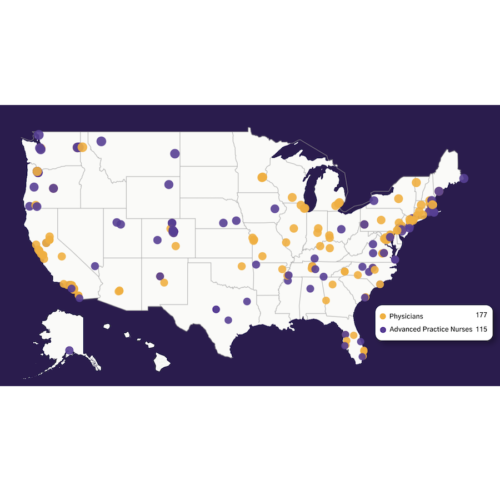
In late April, 2026, more than 260 researchers, clinicians, public members, students, policy makers, health and community organisation representatives, and patient advocates came to Montréal, Canada to attend the third International Conference on Deprescribing (ICOD 2026), co-hosted by the Canadian Medication Appropriateness and Deprescribing Network and the US Deprescribing Research Network.
Originally focusing on reducing unnecessary drug burden among geriatric patients, deprescribing organizations have published guidelines for deprescribing of the psychotropics most commonly prescribed for the elderly: benzodiazepine and sleep drugs, opioids, and antipsychotics.
In recent years, the academic deprescribing community broadened its purview beyond geriatric populations and has started to address psychotropics more generally.
At this conference, a poster titled Personality Traits Predicting Benzodiazepine Discontinuation Failure In Older Adults profiled a study that surveyed whether particular personality traits (i.e. openness, conscientiousness, extraversion, agreeableness, and neuroticism), health behaviors, demographics, social support, and depressive symptoms – a fairly exhaustive compendium – affected success in reducing benzodiazepine use in 422 elderly Canadians. Pierre-Olivier Couture, a psychiatry researcher at Dalhousie University, was the lead author.
None of the personality traits were predictive, but “discontinuation self-efficacy” was the strongest predictor of cessation….“consistent with evidence identifying perceived capability as a key determinant of deprescribing behaviour”. This suggests that fostering such confidence in the patient should be an element in deprescribing practices.
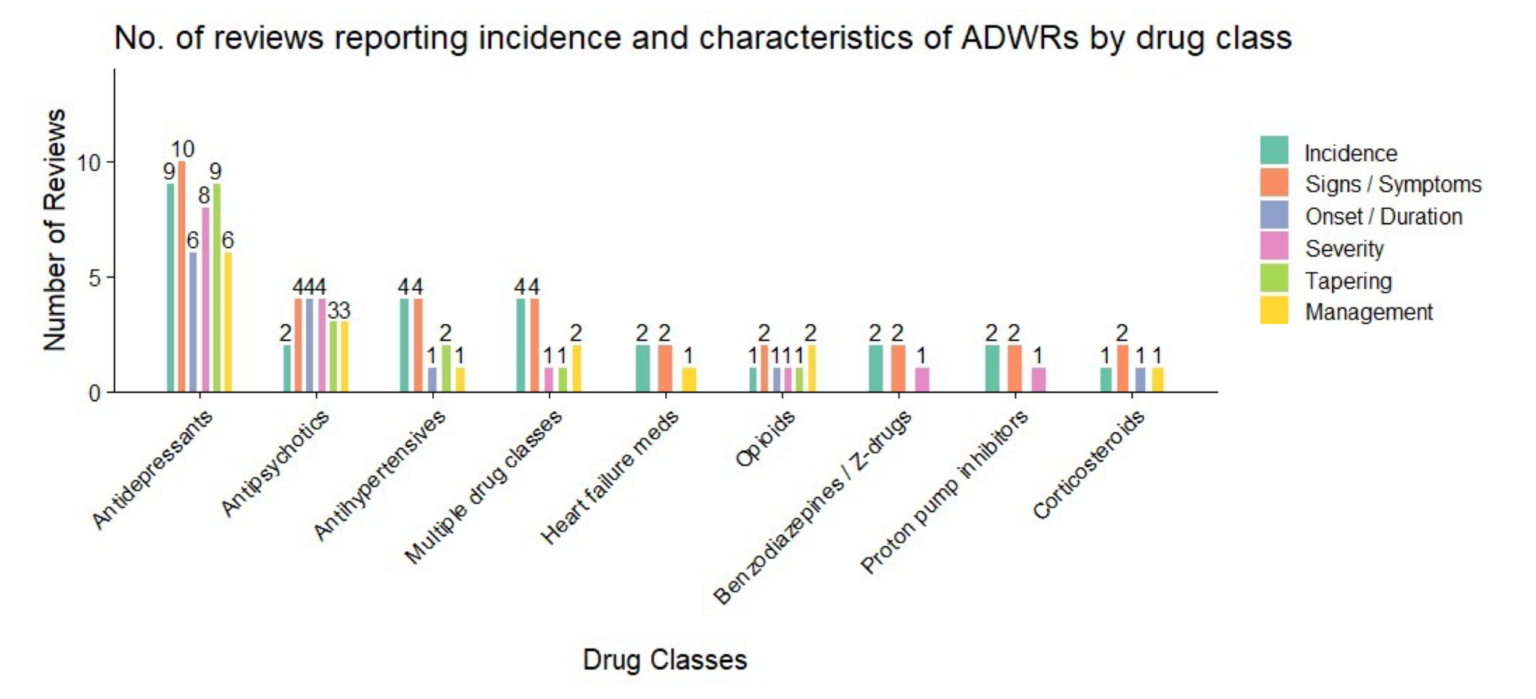
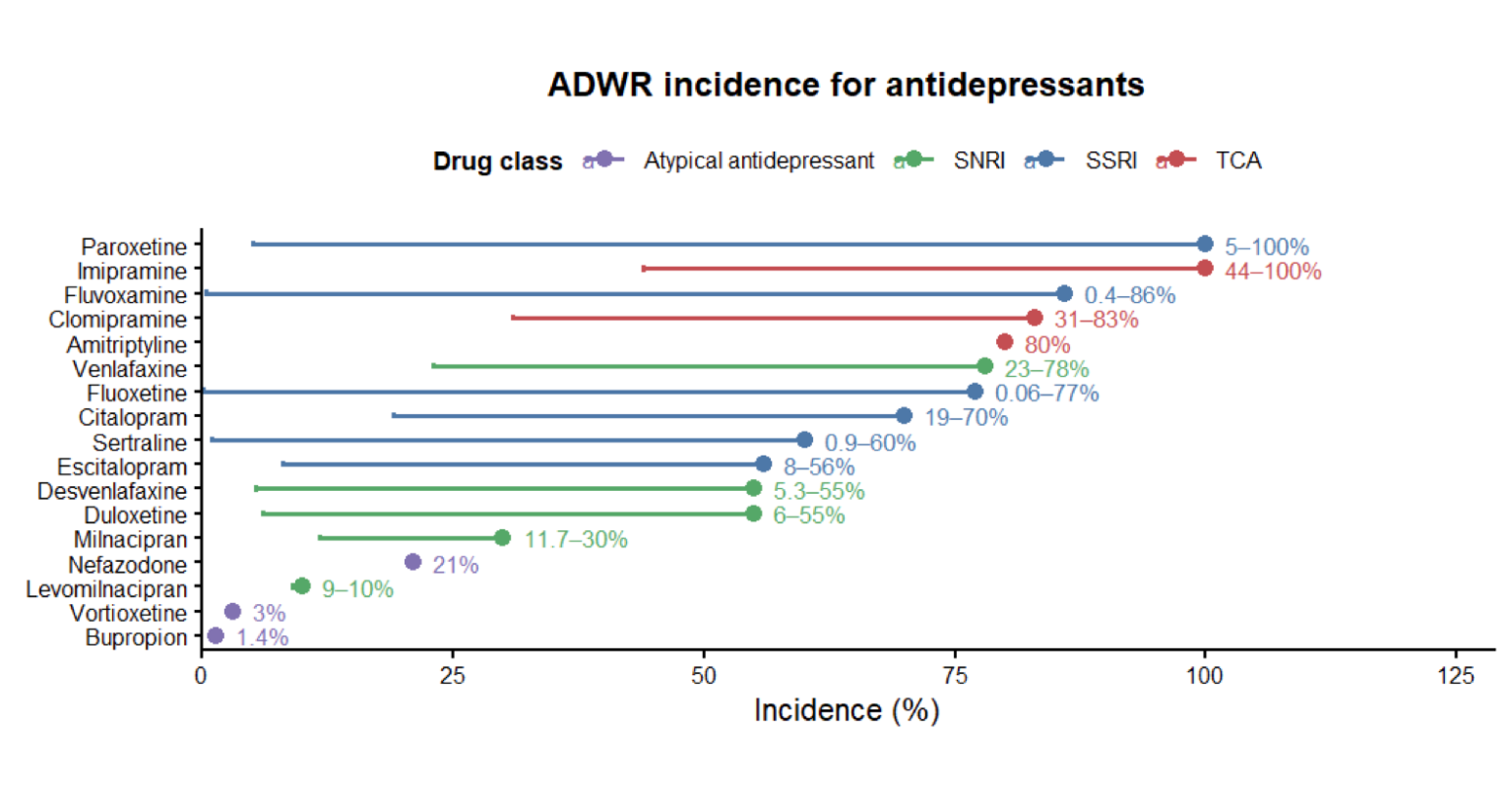
Situating drug withdrawal reactions in a larger context of iatrogenic and therefore possibly avoidable adverse outcomes, Zakir Khan, a researcher from Royal College of Surgeons in Ireland’s School of Pharmacy and Biomolecular Sciences, is particularly interested in gathering data on adverse drug withdrawal reactions (ADWRs) through pharmacovigilance.
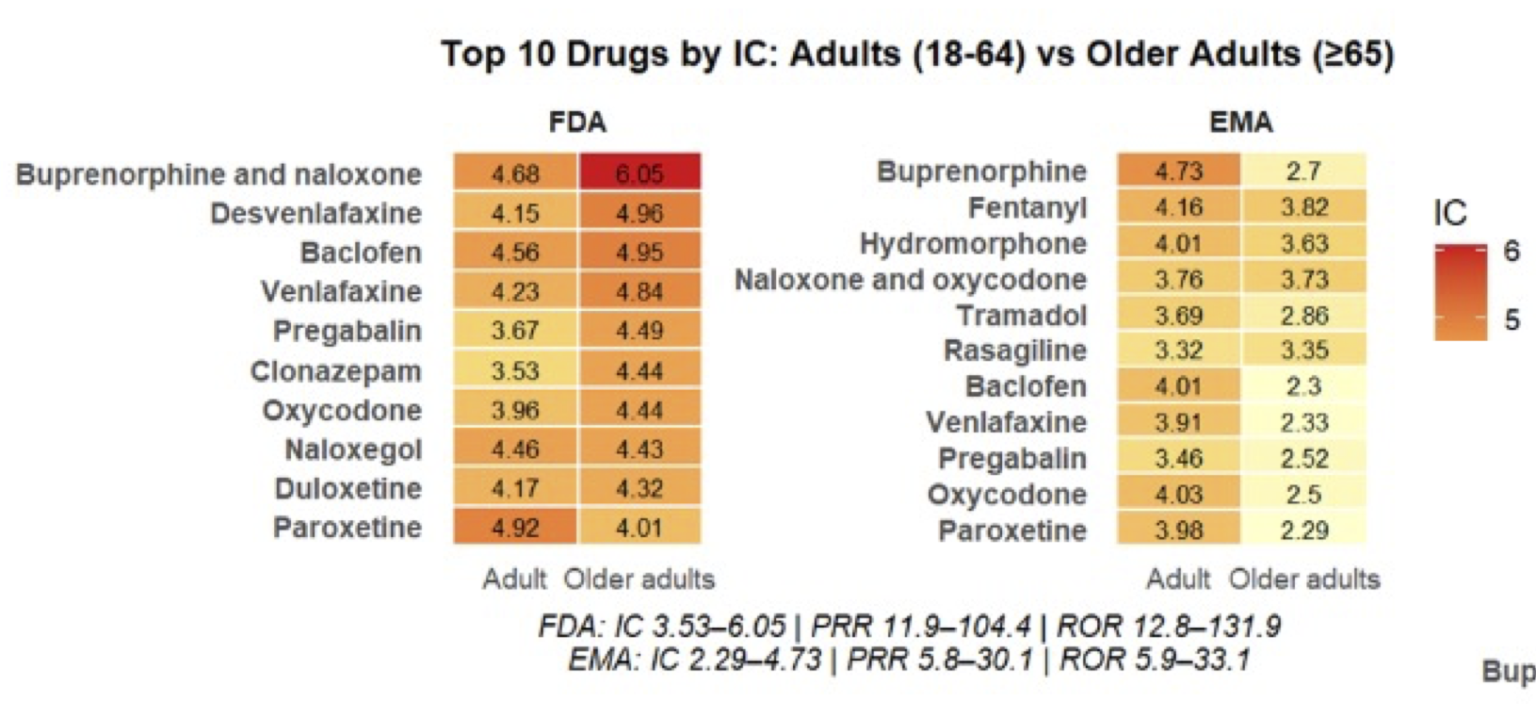
At ICOD, he presented three studies based on published reviews and ADWEs data from 5 national pharmacovigilance systems.
He noted a glaring limitation overall: the absence of standardised criteria for detection and reporting of ADWRs and, in reviews, a tendency to confound them with return of the condition being treated. Further, pharmacovigilance systems do not distinguish between an adverse effect due to withdrawal of a drug from adverse drug reactions (ADRs) that arise in the course of prescribing.
With co-author Frank Moriarty, Khan has since published “Strengthening Pharmacovigilance Reporting for Withdrawal Reactions to Support Deprescribing” in Clinical Pharmacology & Therapeutics (Khan & Moriarty, 2026).
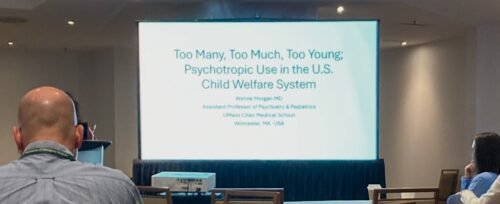
Child psychiatrists Wynne Morgan, Gail Edelsohn, and Terry Lee offered a panel discussion on “The state of deprescribing for pediatric psychotropic polypharmacy in the US”. Conclusion: This needs much more attention.
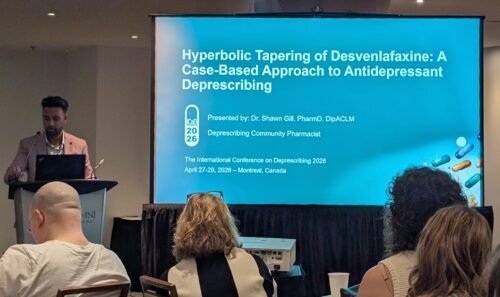
The deprescribing field also has started to recognize that, due to risk for withdrawal effects, psychotropics require specific tapering techniques. Shawn Gill, PharmD, who in Ontario, Canada, has prescribing privileges, gave what may be the first presentation of a systematic tapering method at a deprescribing conference: “Hyperbolic tapering of desvenlafaxine: a case-based approach to antidepressant deprescribing”.
Reference
Khan, Z., & Moriarty, F. (2026). Strengthening Pharmacovigilance Reporting for Withdrawal Reactions to Support Deprescribing. Clinical Pharmacology & Therapeutics. https://doi.org/10.1002/cpt.70356