On May 4, 2026, the U.S. Department of Health and Human Services (HHS) issued a clinician advisory to reduce continuation of unnecessary psychiatric drug treatment, moving in the direction of earlier governmental initiatives encouraging deprescribing of opiates, benzodiazepines, and antipsychotics for geriatric patients.
This represents a significant shift in federal policy, as it addresses a very large population prescribed antidepressants, antipsychotics, stimulants, and other psychiatric psychotropics, and acknowledges the importance of individualized tapering and deprescribing when appropriate.
According to recent U.S. Census data, nearly one in four adults is taking medication for a mental health condition at any given time, even though serious mental illness affects an estimated 6% of adults. Antidepressants account for about two-thirds of the prescriptions.
Some have construed this initiative as being directed against SSRIs, the most popular antidepressants, the risk of antidepressant withdrawal syndrome having been intensely controversial for a decade.
The HHS plan outlines several key objectives, including supporting deprescribing when clinically appropriate, promoting informed consent and shared decision-making, recognizing medication tapering as a reimbursable component of patient care, expanding clinician education on psychiatric medications and withdrawal, increasing research into prescribing practices and treatment outcomes, and encouraging greater use of evidence-based non-pharmacologic interventions such as psychotherapy, nutrition, exercise, and family support.
According to HHS, medical and patient advocacy organizations have generally welcomed the increased attention to reduction of unnecessary psychiatric psychotropic prescriptions and the need for better deprescribing support. The American Psychiatric Association (APA) responded on May 4th to HHS, recognizing the value of deprescribing as part of high-quality clinical care while cautioning that discontinuation decisions should remain individualized and guided by the best available evidence. It denied that overprescribing is the cause of the United States mental health crisis, and warned against policies that could stigmatize the taking of psychiatric drugs.
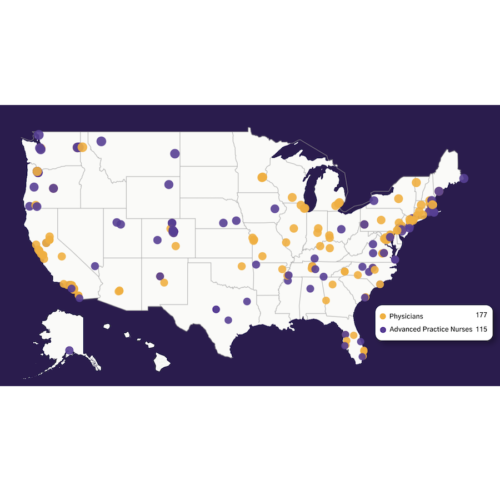
This announcement marks an important milestone for the deprescribing community. As federal agencies begin incorporating these priorities into clinical guidance, education, research, and reimbursement policies, the Psychotropic Deprescribing Council looks forward to supporting these efforts through interdisciplinary collaboration, clinician education, and evidence-based resources.
Reference
HHS.gov. (2026, May 4). HHS launches MAHA action plan to curb psychiatric overprescribing. U.S. Department of Health and Human Services. https://www.hhs.gov/press-room/hhs-launches-maha-action-plan-curb-psychiatric-overprescribing.html