Nurse practitioners at the University of Wisconsin are reimagining polypharmacy and psychiatric medication deprescribing as an active partnership with patients, with an emphasis on communication and shared decision-making.
A 2026 article in The Journal for Nurse Practitioners, “Deprescribing in Action: Reducing Polypharmacy to Improve Mental Health,” co-authored by three University of Wisconsin faculty members and psychiatric nurse practitioners (Miriam A. Sward, Bonnie L. Nickasch, and Alyssa R. Forslin), examines how nurse practitioners can approach the challenge of psychiatric polypharmacy and safely reduce unnecessary medications in patients with complex mental health needs. A fictional case illustrates how clinicians can apply patient-centered communication strategies.

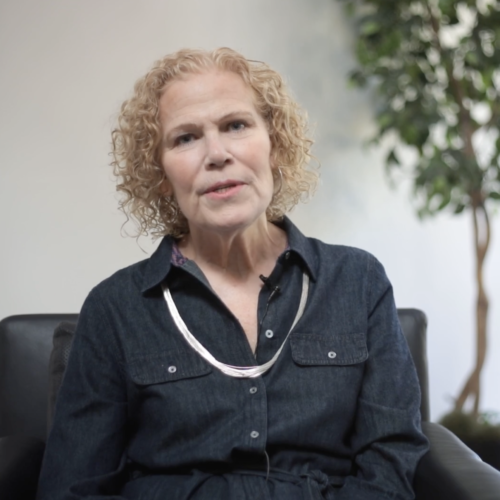
Miriam Sward, DNP, APNP, PMHNP-BC, ANP-BC
In an email interview, Sward described how her interest in deprescribing developed largely from her clinical experience. She said she has cared for many patients who entered treatment taking multiple psychiatric medications, sometimes accumulated over years of care. In some cases, she said, it becomes difficult to determine which medications continue to provide meaningful benefit, which contribute to adverse effects, and whether each medication still has a clear indication. “My goal is not medication reduction for the sake of reducing medication,” Sward explained. “Instead, I focus on thoughtful prescribing: ensuring every medication has a clear purpose, provides meaningful benefit, and is used at the lowest effective dose.”
“Some of the most rewarding clinical experiences I have had involved carefully simplifying a medication regimen and seeing a patient become more alert, engaged, active, and confident while still maintaining psychiatric stability.”
As medication burden increases, so too may the complexity of evaluating the clinical contribution of individual agents within a regimen. Sward has observed patients experiencing sedation, cognitive impairment, fatigue, emotional blunting, weight gain, metabolic complications, sexual dysfunction, dizziness, and other adverse effects associated with psychotropic polypharmacy. In some cases, additional medications may be prescribed to manage adverse effects associated with existing treatment, further increasing regimen complexity and overall medication burden, Sward noted.
Polypharmacy can also complicate the clinical interpretation of new or persistent symptoms. When symptoms emerge in a patient receiving multiple medications, clinicians must consider whether they reflect the underlying psychiatric condition, an adverse medication effect, a drug interaction, discontinuation symptoms, or another medical cause. As the number of medications increases, distinguishing among these possibilities can become increasingly difficult, potentially complicating both clinical decision-making and subsequent treatment adjustments.
There is also a practical and psychological burden to taking numerous medications every day. Complex regimens may complicate adherence and contribute to patients’ sense of dependence on medication.
“Some of the most rewarding clinical experiences I have had involve carefully simplifying a medication regimen and seeing a patient become more alert, engaged, active, and confident while still maintaining psychiatric stability,” Sward said.
“More skills, less pills”
Sward, Nickasch, and Forslin present deprescribing as an active partnership that promotes patient autonomy and well-being – far from withholding care. Rather than viewing deprescribing simply as medication reduction, it is an active clinical process requiring assessment, monitoring, collaboration, and individualized decision-making.
Therapeutic inertia becomes particularly relevant in the buildup of polypharmacy. A medication may continue because it appears to be “working,” because no one wants to risk destabilizing the patient, because responsibility for the regimen is fragmented among multiple prescribers, or simply because reassessing longstanding treatment takes time.
Deprescribing provides an opportunity to deliberately reassess these decisions rather than allowing medications to continue indefinitely by default. This article highlights the use of the Medication Appropriateness Index alongside motivational interviewing and shared decision-making to help clinicians identify medications that may be appropriate for reduction or discontinuation while keeping patient goals at the center of the process. It points out that structured reduction plans have been shown to improve patient safety, satisfaction, and medication adherence.
Sward also emphasized the importance of individualized and gradual tapering and the skill to distinguish withdrawal symptoms from re-emergence of the underlying psychiatric disorder. “I approach deprescribing as an ongoing clinical process rather than a single decision. It involves careful monitoring, patient education, contingency planning, and a willingness to slow the taper, pause it, or reconsider the plan if symptoms emerge.”
“Successful deprescribing also involves helping patients strengthen other supports,” she continued. “This may include psychotherapy, coping skills, sleep hygiene, physical activity, nutrition, social connection, stress management, and other strategies that support long-term wellness.”
Sward sums up her philosophy as “more skills, less pills.” The phrase is not intended to suggest that medications are unnecessary. “Medications are valuable tools and, for some psychiatric illnesses, are essential,” Sward said. “However, medication should not automatically become the only tool we offer patients.”
A fictional case illustrates how clinicians can apply patient-centered communication strategies in deprescribing.
The role of the patient in deprescribing
Because medications can become closely associated with stability, safety, and recovery, deprescribing also requires attention to how patients themselves understand their treatment. According to Sward, Nickasch, and Forslin, shared decision-making is particularly important when a patient and clinician have different views about whether a medication should be reduced. A patient may strongly want to discontinue a medication while the clinician has concerns about relapse. Conversely, a clinician may believe a medication is no longer necessary while the patient feels that stopping it would threaten their stability.
Although shared decision-making is widely recognized as a component of patient-centered care, Sward noted that it may not always be consistently implemented in everyday practice. Time constraints, fragmented care, concerns about destabilization, and therapeutic inertia can all make these conversations more difficult.
Sward, Nickasch, and Forslin emphasize motivational interviewing to enhance shared decision-making to navigate these situations. Rather than directing a patient toward a predetermined outcome, motivational interviewing can help clinicians explore ambivalence, understand the patient’s priorities, and identify what might make a medication change feel acceptable or unacceptable. The authors describe these communication approaches as important components of safe, collaborative deprescribing. Deprescribing therefore requires more than knowledge of medication management. It requires clinicians to understand what the medication means to the patient and what the patient hopes to achieve through treatment.